

Clean Beauty Ingredients to Avoid in 2026
Table of Contents
- Why Ingredient Choices Matter More Than Ever in 2026
- How to Read Skincare Ingredient Labels Without Guesswork
- Parabens in Skincare: What the Label Doesn't Tell You
- Fragrance in Skincare: Why 'Parfum' Deserves a Closer Look
- Ingredients That Irritate Sensitive Skin
- What to Look for Instead: Simpler, More Transparent Formulas
- Building a Clean Routine That Works for You
- Frequently Asked Questions
Last Updated: October 9, 2026
Why Ingredient Choices Matter More Than Ever in 2026
Walk down any skincare aisle and you'll see the same word on nearly every label: clean. The problem is that "clean" has no legal definition in the United States, so brands can use it however they like. That's why learning the clean beauty ingredients to avoid in 2026 matters more than trusting the front of the bottle.
At Verefina, we read labels the same way you do, looking for what's actually inside. A short, transparent ingredient list tells you more than any marketing claim. Below, we'll show you exactly which ingredients deserve a second look and how to spot them without guesswork.
The stakes are practical, not abstract. If your skin stings, itches, or breaks out after a new product, the culprit is often an ingredient you could have spotted on the back label in ten seconds.
FDA guidance on cosmetic labeling and ingredient names
How to Read Skincare Ingredient Labels Without Guesswork
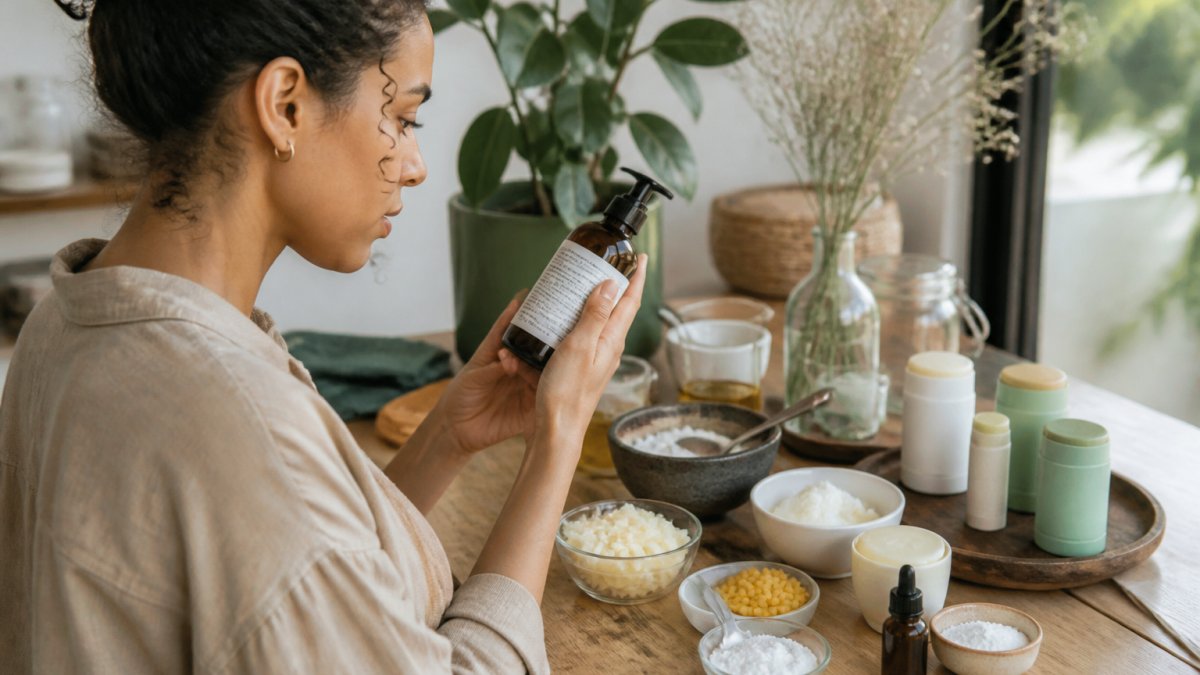
Reading a skincare ingredient label is the practice of scanning the INCI list, the standardized names required on cosmetic packaging, to identify what a product contains and in what order. Ingredients appear by concentration, from highest to lowest, so the first five names tell you most of the story.
1. Start With the First Five Ingredients
The first five ingredients usually make up the bulk of the formula. If water, glycerin, and a familiar oil lead the list, you're likely looking at a simple, gentle product. If denatured alcohol or synthetic fragrance sits near the top, expect a drier, more reactive feel. Anything listed after the preservative is present in tiny amounts, so don't let a "hero" botanical at the bottom of the list impress you.
2. Know the Difference Between Fragrance and Essential Oils
"Fragrance" or "parfum" on a label is a catch-all term that can hide dozens of individual compounds, and brands aren't required to disclose them. Essential oils are plant-derived and named specifically, like lavender oil or peppermint oil. Neither is automatically better for reactive skin, but essential oils let you see exactly what you're getting. Our deodorants use essential oils for scent, and we list them plainly rather than tucking them behind "fragrance."
Parabens in Skincare: What the Label Doesn't Tell You
Parabens are synthetic preservatives, including methylparaben, propylparaben, and butylparaben, used to keep water-based products free of mold and bacteria. Preservatives serve a real purpose: an unpreserved cream can grow bacteria that cause infections.
The concern is cumulative exposure, since parabens can appear in lotions, shampoos, and makeup all at once. If you'd rather limit them, look for methyl-, ethyl-, propyl-, and butylparaben in the ingredient list. Just don't assume "paraben-free" means safer by default, because some replacements can be harsher on sensitive skin. What matters is whether the full formula suits you.
EU and US regulatory reviews of paraben safety in cosmetics
Fragrance in Skincare: Why 'Parfum' Deserves a Closer Look
Fragrance is the most common cause of cosmetic contact irritation, and "parfum" is the label term that conceals its contents. A single word can represent a blend of synthetic musks, phthalates, and preservatives that never appear individually on the package.
If your skin reacts easily, this is the first place to look. Try a essential oils for scent and are or essential-oil-scented product for two weeks and note any change. Patch test first: apply a small amount to your inner forearm, wait 24 hours, and stop using the product if redness or itching develops. That simple step catches most reactions before they reach your face.
Ingredients That Irritate Sensitive Skin
Sensitive skin reacts to specific ingredients rather than to "chemicals" in general. The usual suspects are denatured alcohol, synthetic fragrance, sulfates like sodium lauryl sulfate, and strong preservatives such as methylisothiazolinone. None of these is dangerous for everyone, but each is a common trigger for redness, tightness, and stinging.
Here's the practical filter we suggest:
- Alcohol denat. near the top of the list: drying, especially in toners
- SLS and SLES: effective cleansers that can strip the skin barrier
- Methylisothiazolinone: a preservative linked to contact reactions
- Cocamidopropyl betaine: a gentle-looking surfactant that irritates some people
- Essential oils like cinnamon or citrus: natural, but potentially irritating
If your skin is reactive, simplify before you experiment. Fewer ingredients mean fewer chances for a reaction, and it's easier to trace the cause.
What to Look for Instead: Simpler, More Transparent Formulas
The best replacement for a questionable ingredient is a short, honest formula you can actually read. Look for plant oils, glycerin, shea butter, beeswax, and named essential oils. These ingredients moisturize, protect, and scent a product without hiding behind vague terms.
At Verefina, we build our line around 99-100% naturally derived ingredients and purposeful formulas, from our antioxidant-rich facial care to our beeswax lip balms. You can see what's inside and why it's there. That transparency is the whole point.
| Instead of | Look for | Why it helps |
|---|---|---|
| "Parfum" | Named essential oils | You can see exactly what scents the product |
| Denatured alcohol | Glycerin, aloe | Moisture without the drying effect |
| SLS and SLES | Gentle plant-based cleansers | Cleans without stripping the skin barrier |
| Methylparaben | Naturally derived preservatives | Limits cumulative exposure |
| Vague "clean" claims | Full INCI list | Lets you judge the formula yourself |
Building a Clean Routine That Works for You
A clean routine is a simple ritual, not a total overhaul. You don't have to replace everything at once. Start with the product that touches the most skin, usually your deodorant or body lotion, and swap one item at a time.
That approach lets you spot reactions and keep what works. If you're switching to an aluminum-free deodorant, remember it manages odor and may absorb some moisture, but it does not stop perspiration the way an antiperspirant does. Give your body time to adjust, and patch test anything new. Our Magnesium Deodorant is a low-baking-soda formula, so it's a gentler starting point for sensitive underarms.
Ingredient lists change, and so does your skin, so a routine that works this year may need a small adjustment next year. If you'd rather start with formulas built around transparency, Verefina makes that easy. Our collection includes aluminum-free magnesium deodorant sticks and moisturizing deodorant creams, antioxidant-rich facial care, and beeswax lip balms, all made with 99-100% naturally derived ingredients. Get started with Verefina and build a simpler, more comfortable routine, one product at a time.
Frequently Asked Questions
What ingredients should you avoid in clean beauty products?
Common ones to watch for include parabens, synthetic fragrance (often listed as 'parfum'), phthalates, sulfates like SLS, and formaldehyde-releasing preservatives. These aren't automatically dangerous for everyone, but they're the ones most often linked to irritation or concern. If you have sensitive skin, start by avoiding fragrance and parabens, then adjust as you learn what your skin tolerates.
Are parabens harmful in skincare?
Parabens are preservatives used to prevent mold and bacteria. The concern is that some studies suggest they can act like weak estrogens, though research hasn't confirmed they cause harm at typical cosmetic levels. Many people choose to avoid them anyway, especially for daily-use products. If you'd rather skip them, look for preservatives like sodium benzoate or potassium sorbate instead.
Should you avoid fragrance in skincare?
If your skin is reactive, yes. 'Fragrance' or 'parfum' on a label can represent dozens of undisclosed compounds, and it's one of the top causes of contact irritation. Even some essential oils can bother sensitive skin. Our deodorants use essential oils for scent, so they're not essential oils for scent and are, but we list what's in them. Patch test anything new, and stop if you notice redness or itching.
How do you read a skincare ingredient label?
Ingredients are listed by concentration, highest to lowest. The first five usually make up most of the formula, so focus there. Look for recognizable plant oils, butters, and gentle preservatives. If you see 'fragrance' near the top, that's a sign it's a big part of the product. Also check for any ingredients you know irritate your skin, and don't assume 'natural' means gentle.
Are natural ingredients always safer for your skin?
No. Poison ivy is natural, and plenty of essential oils can irritate skin. 'Natural' describes where an ingredient comes from, not how your skin will react. What matters is the specific ingredient, its concentration, and your skin's tolerance. A well-made product with a short, transparent ingredient list is often a better choice than a long 'natural' one with lots of extracts and oils.
What ingredients can irritate sensitive skin?
Fragrance, essential oils (especially citrus and mint), alcohol denat, sulfates, and some preservatives like methylisothiazolinone are common culprits. Even 'clean' ingredients like witch hazel or tea tree can cause reactions. If your skin stings, turns red, or itches after a new product, stop using it. Patch testing on your inner arm for a few days before applying to your face or underarms is a simple way to check.
