

How to Choose Deodorant for a Tween: A Practical Guide
Table of Contents
- Why Tweens Start Needing Deodorant
- Deodorant vs. Antiperspirant: What Tweens Need to Know
- What Deodorant Should a 10-Year-Old Use?
- Aluminum-Free Deodorant for Kids: Ingredients to Look For
- Choosing a Deodorant for a 10-Year-Old Boy or Girl
- Patch Testing and Handling Irritation
- Starting Your Tween on a Simple Routine
- Frequently Asked Questions
Last Updated: November 22, 2026
Learning how to choose deodorant for a tween can feel like a small milestone. One day your child is asking why their underarms smell different, and the next you're standing in a drugstore aisle with a dozen sticks to choose from. At Verefina, we've put together this simple guide to help you find something gentle, comfortable, and easy for your child to use on their own.
Why Tweens Start Needing Deodorant
Body odor usually shows up as the body begins to change (Adrenarche | Display Patient Information Leaflets). Hormones become more active, and the sweat glands in the underarms start to work differently than they did when your child was younger. Many parents notice the change before their child does.
There's no single right age for this. Some children start to notice odor around 10, while others take longer. The goal is to offer a product that fits their skin and their routine, not to rush the transition.
Deodorant vs. Antiperspirant: What Tweens Need to Know
These two products sit next to each other on the shelf, but they work in different ways. Knowing the difference is the single most useful step in choosing a first product for your tween.
Deodorant helps manage odor. It does this by addressing the odor that forms when sweat meets the bacteria that naturally live on skin. Many deodorants also add a light scent, and some absorb a little moisture along the way. Our products help manage odor and may absorb some moisture, but they do not stop perspiration.
Antiperspirant is designed to reduce sweating. It typically uses aluminum salts to temporarily block sweat ducts. That difference matters if your child sweats heavily or soaks through shirts, because a deodorant alone may not be enough.
A simple way to decide:
- Start with the concern. If the main issue is underarm odor, a deodorant is usually the right first step. If the main issue is visible wetness or heavy sweating, an antiperspirant may fit better.
- Match the product to the day. Many families use a deodorant for everyday school days and keep a separate option for sports or hot weather.
- Watch for irritation. Some tweens find aluminum salts or heavy fragrances irritating. If redness or itching appears, stop using the product and try a gentler formula.
Watch out: a deodorant will not keep a shirt dry, and an antiperspirant will not necessarily address odor on its own. If your child needs both, a deodorant-plus-antiperspirant routine is common, but introduce one product at a time so you can tell what is working.
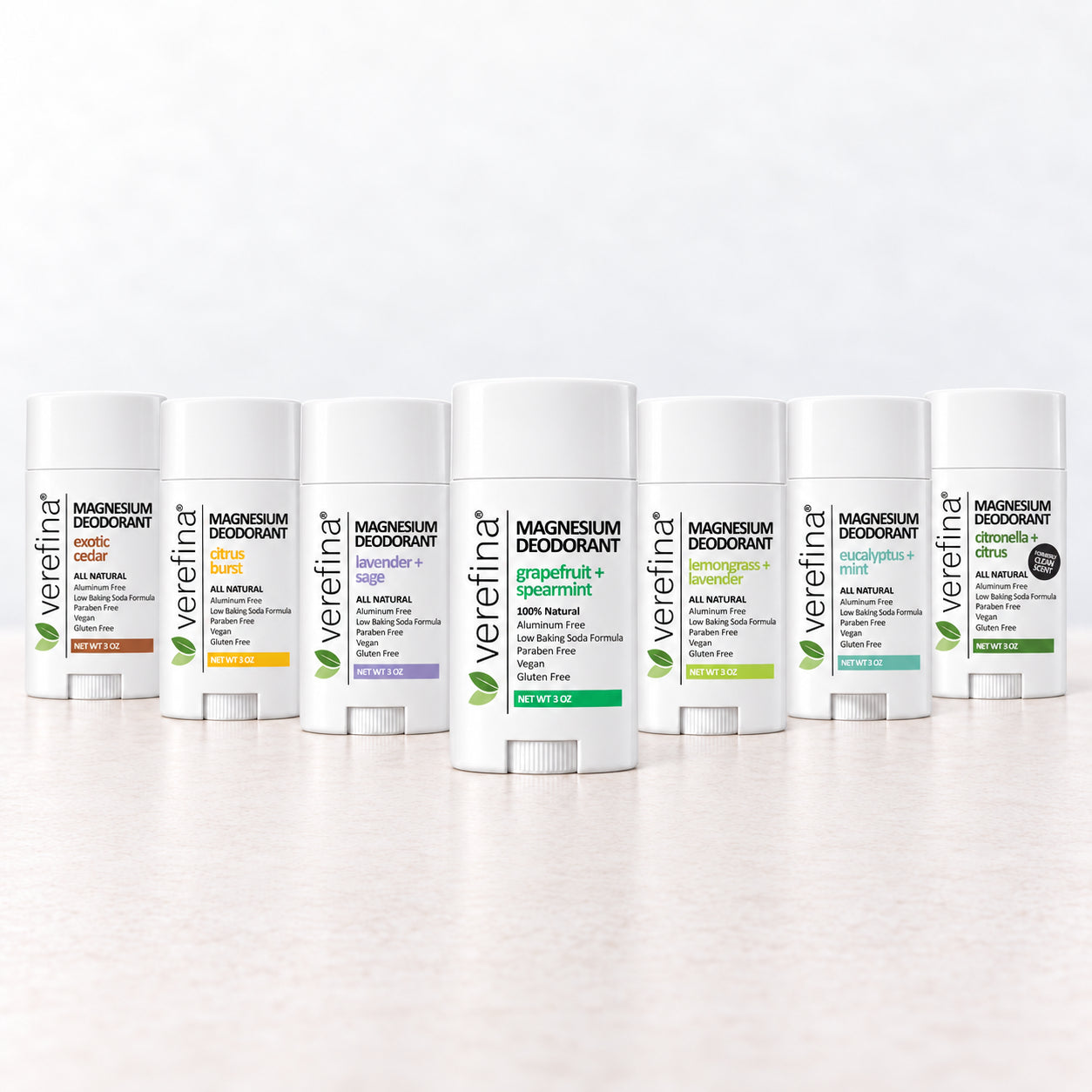
If sweating is excessive, happens at night, or is accompanied by other symptoms, a pediatrician can help rule out other causes (the NHS). For most tweens, though, the choice comes down to odor versus wetness, and a deodorant is often the comfortable, simple place to start. Our Magnesium Deodorant is a lightweight option for everyday odor control.
What Deodorant Should a 10-Year-Old Use?
A good first deodorant for a 10-year-old should be gentle, simple to apply, and easy to tolerate. Look for a product with a short ingredient list and a format your child can handle without help. Sticks and creams are often easier to control than sprays.
Here's a quick way to narrow the choices when you learn how to choose deodorant for a tween:
- Check the formula. Look for aluminum-free and gentle options if your child has sensitive skin. Our guide to aluminum-free deodorant for sensitive skin compares formulas side by side.
- Pick a format. A stick or cream that goes on evenly is usually easiest for a tween.
- Let them smell it. Scent matters a lot at this age, so letting your child weigh in can make the routine stick.
Our Magnesium Deodorant is a gentle, aluminum-free option that many families find easy to start with. It's made with a low amount of baking soda rather than being baking-soda-free, so it's worth keeping that in mind if your child's skin is especially reactive.
Aluminum-Free Deodorant for Kids: Ingredients to Look For
Many parents look for aluminum-free deodorant for kids, often because they want a simpler formula for young, sensitive skin. Reading the label is the best way to know what is inside, and to understand the trade-offs before you buy. Our step-by-step guide to reading ingredient labels shows you exactly what to check.
Here is what to look at, in plain language:
- The odor-control ingredients. Look for simple, recognizable ingredients that manage odor without relying on aluminum salts. Our Magnesium Deodorant uses magnesium and a low amount of baking soda rather than being baking-soda-free, so it is worth keeping that in mind if your child's skin is especially reactive.
- The scent source. Our deodorants use essential oils for scent, so they are not essential oils for scent and are. Essential oils can be lovely and light, but they are also a common source of sensitivity. If your child reacts easily to scents, choose a lightly scented option or patch test first.
- The moisture absorbers. Ingredients like arrowroot or baking soda help absorb some moisture. They can feel comfortable and dry, but baking soda in particular can be irritating for some skin types.
- The irritant list. Fragrance, essential oils, baking soda, and alcohol can all bother reactive skin. A short ingredient list makes it easier to spot the culprit if irritation appears.
A word on aluminum: aluminum-free is a personal preference for many families, not a safety requirement. If your child sweats heavily, an aluminum-free deodorant may not be enough on its own, and that is okay, it is a fit question, not a failure.
Watch out: "natural" and "clean" are marketing words. A product can be natural and still irritate sensitive skin. Patch testing is the most reliable way to know how your child's skin will respond. If redness, itching, or irritation develops, stop using the product and try a gentler formula. For a step-by-step approach, our guide on how to patch test sensitive skin before trying a new product walks through the process.
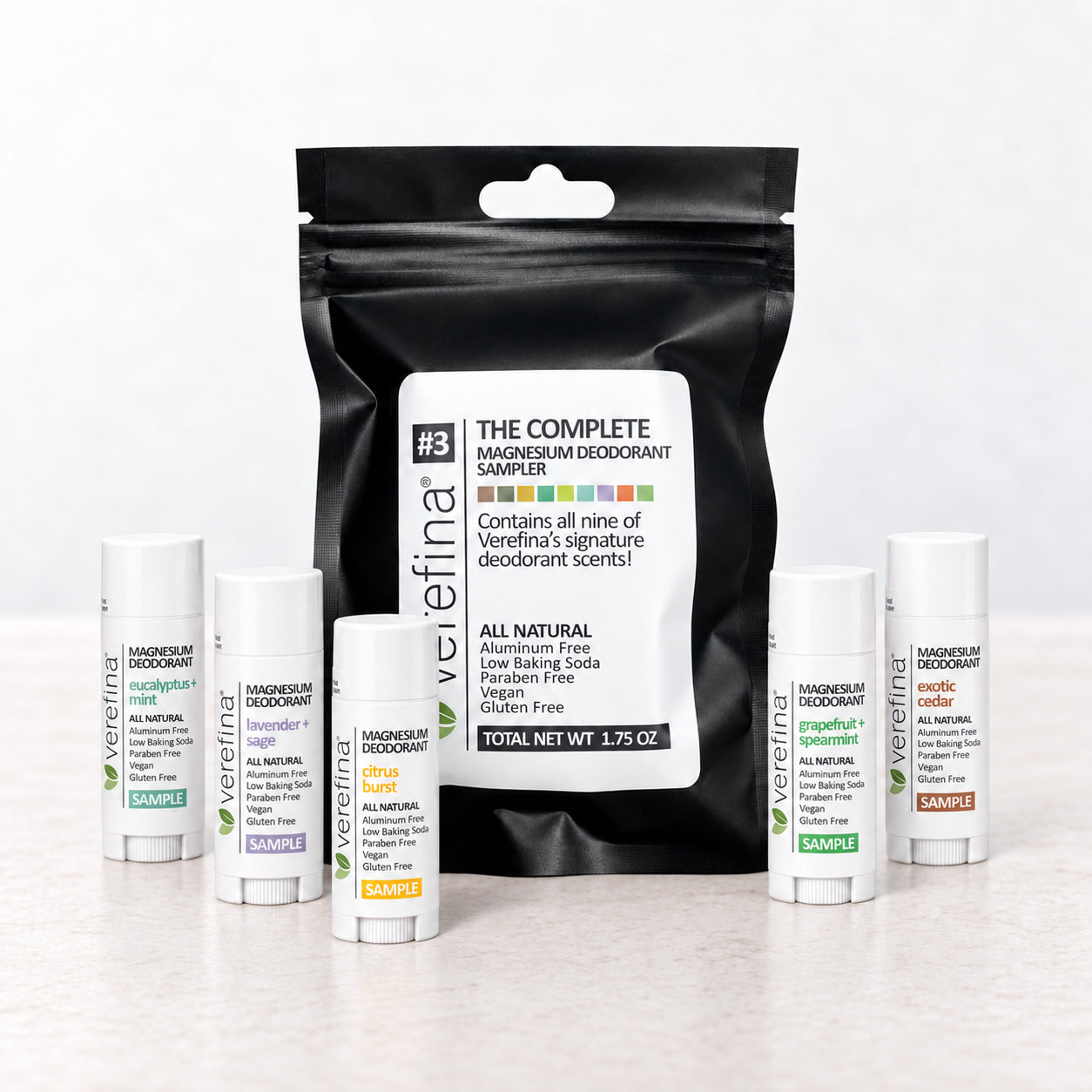
If your child has eczema or very reactive skin, a pediatrician or dermatologist can help you narrow the field. For many families, a lightweight, low-baking-soda deodorant with a soft scent is a comfortable place to begin. Our Magnesium Deodorant Sampler lets your tween try all nine signature scents in mini sizes before committing to a full stick.
Choosing a Deodorant for a 10-Year-Old Boy or Girl
The right deodorant depends more on the child than on whether they're a boy or a girl. Both need odor control, and both benefit from a product that feels comfortable on the skin. Focus on your child's skin, their activity level, and their scent preferences rather than marketing aimed at one group.

A parent and child browsing the deodorant aisle together can make the choice feel like a shared decision. Talk through what your child likes and what feels uncomfortable to them.
Scent Preferences and Letting Your Tween Choose
Letting your tween choose a scent is one of the easiest ways to build a routine they'll actually keep. Citrus, herbal, and woodsy scents are popular choices for this age, but preferences vary widely.
If your child isn't sure, our Magnesium Deodorant Sampler includes all nine of our signature scents in mini sizes. It's a low-pressure way to let them test a few before committing.
Here is a quick look at the points to weigh when picking a first deodorant for your tween.
| Factor | What to look for | Why it matters |
|---|---|---|
| Formula | Aluminum-free, gentle options | Simpler formulas suit sensitive skin |
| Format | Stick or cream | Easier for a tween to apply alone |
| Scent | Let your child choose | Scent preference helps the routine stick |
| Skin reaction | Patch test first | Spots irritation before daily use |
Patch Testing and Handling Irritation
Before your child uses a new product every day, try a patch test. Apply a small amount to a small area of skin, such as the inner arm, and wait a day or two. This helps you spot any reaction early.
If redness, itching, or irritation develops, stop using the product. Persistent or worsening skin problems are worth raising with a pediatrician or dermatologist. For a step-by-step approach, our guide on how to patch test sensitive skin before trying a new product walks through the process.
Starting Your Tween on a Simple Routine
Keep the routine short and consistent. Apply a small amount after washing and drying the underarms, once a day, and let it settle before dressing. Less is usually enough.
Many families find that a simple morning routine works best, since it becomes part of getting ready for school. Once your child is comfortable, the habit tends to stick on its own.
Choosing a first deodorant is about comfort, confidence, and a routine your child can manage. If you're looking for a gentle place to start, explore the Verefina Magnesium Deodorant collection and find a scent your tween is happy to wear.
Frequently Asked Questions
Is it normal for a 10-year-old to need deodorant?
Yes, it is common. Many children begin to sweat more and notice body odor as puberty starts, and some start as early as age 8 to 10. Body changes vary widely from child to child, so there is no set age. If your tween seems self-conscious about odor or asks for deodorant, that is a reasonable reason to start. A gentle, simple product and a short daily routine are usually enough to begin with, and you can revisit the choice as their needs change.
What deodorant should a 10-year-old use?
Look for a gentle deodorant designed for sensitive skin, with a simple ingredient list and a format your child can apply on their own. A solid stick or light cream is often easier for tweens than a spray. Many families prefer an aluminum-free option. Our Magnesium Deodorant at $18.00 is aluminum-free and works with your body to fight odor. Patch test before full use, and stop if irritation develops.
Should tweens use deodorant or antiperspirant?
Deodorant is often a good starting point for tweens. Deodorant helps manage odor and may absorb some moisture, while antiperspirant is designed to stop perspiration. Sweating is a normal part of growing up, so a tween may not need an antiperspirant at all. If you have questions about excessive sweating or persistent odor, a pediatrician or dermatologist can help you decide what is right for your child.
Can a tween use deodorant on sensitive skin?
Yes, but choose carefully and test first. Look for fragrance-light or essential-oil scented formulas with short ingredient lists, and avoid products your child has reacted to before. Apply a small amount to a patch of skin for a few days before full use. If redness, itching, or a rash appears, stop using the product and talk with a healthcare provider if symptoms continue.

