

How to Soothe Red Sensitive Skin Naturally at Home
Quick Summary
To learn how to soothe red sensitive skin naturally, start by spotting the trigger, such as hot water, harsh cleansers, fragrance, or sun exposure. Then simplify your routine, cleanse with lukewarm water, and apply a calming, unscented moisturizer while your skin recovers.
- Redness usually signals a reaction, so identify likely triggers such as hot water, harsh cleansers, or fragrance.
- Keep a simple note for a week or two of what you used, where you went, and how your skin felt.
- Pause exfoliants, retinoids, scrubs, and new serums until the redness settles.
- Cleanse with lukewarm water and a mild, fragrance-light cleanser, then pat your face dry with a soft towel.
- Do a patch test on a discreet area before trying any new product or natural ingredient.
Table of Contents
- Why Your Skin Turns Red and Irritated
- How to Soothe Irritated Skin on Your Face Naturally
- Calming Natural Ingredients and What the Evidence Says
- How to Reduce Redness on Your Face Quickly at Home
- How Long Red Irritated Skin Takes to Calm Down
- Choosing a Gentle Face Wash for Sensitive Skin
- Patch Testing and When to See a Professional
- Start Your Calming Routine with Verefina
- Frequently Asked Questions
Why Your Skin Turns Red and Irritated
Redness usually means the skin is reacting to something, so learning how to soothe red sensitive skin naturally starts with spotting the trigger.
When the skin barrier is stressed, moisture escapes more easily and outside irritants get in more easily.
Keep a simple note for a week or two. Write down what you used, where you went, and how your skin felt. Patterns often show up faster than you expect.
How to Soothe Irritated Skin on Your Face Naturally
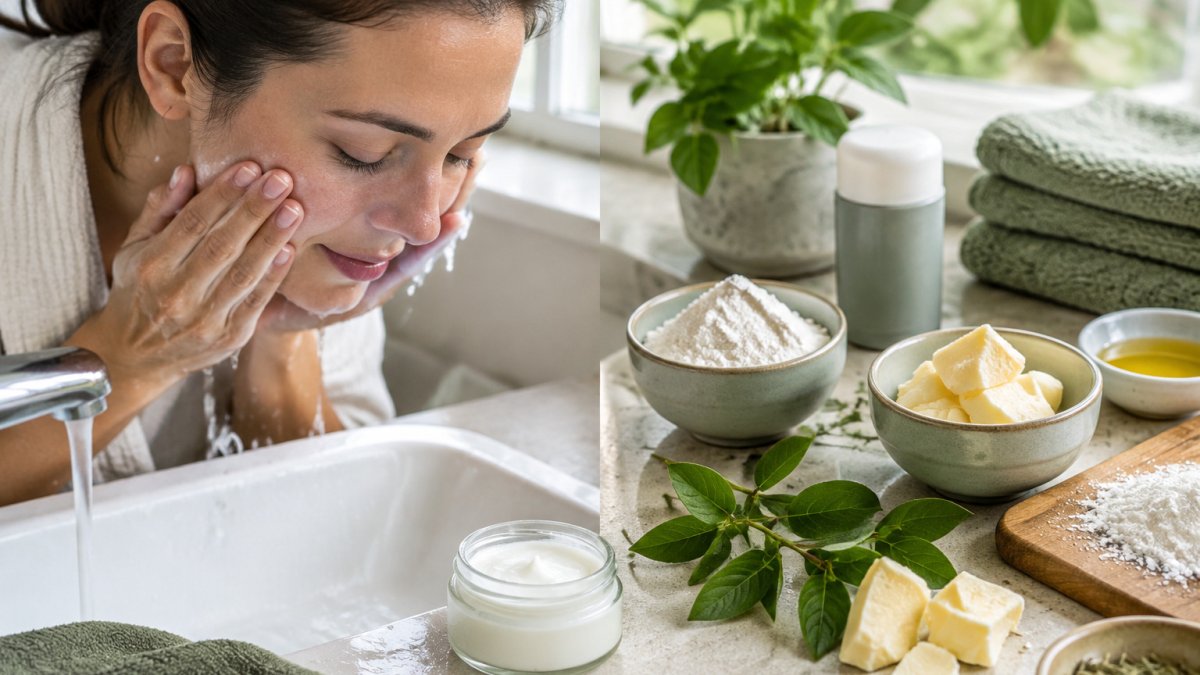
When your face feels hot or tight, the goal is comfort. The steps below are simple, and you can start them tonight.
1. Simplify your routine for a few days
Pause anything that is not essential. Skip exfoliants, retinoids, scrubs, and new serums until the redness settles. A short, basic routine gives your skin fewer things to react to.
2. Cleanse with lukewarm water and a gentle cleanser
Hot water can make redness worse. Use lukewarm water and a mild, fragrance-light cleanser. Pat your face dry with a soft towel instead of rubbing.
3. Apply a calming moisturizer
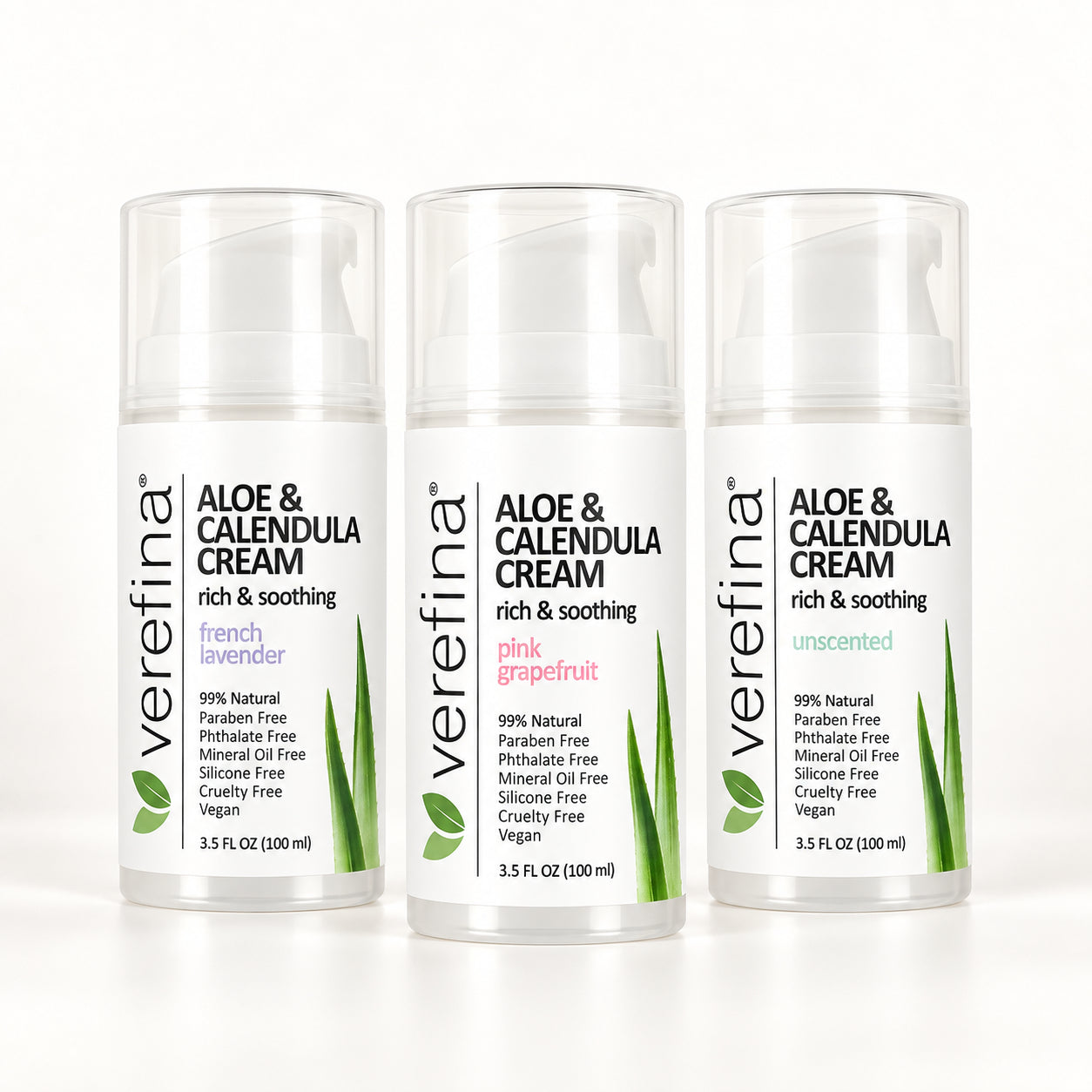
Moisture helps the skin feel calmer and more comfortable. Our Aloe Vera + Calendula Cream is a rich option for very dry or sensitive-feeling skin, and it is unscented if you want to avoid added scent. Apply a small amount to clean skin and add more where your face feels tight.
Calming Natural Ingredients and What the Evidence Says
Many people reach for natural ingredients to soothe irritation, and a few of them earn their reputation. The trick is knowing what each one does, how to use it, and how much to expect. Below is a plain-language look at the most common options, with an honest note on the evidence behind each.
Aloe vera
Aloe is the most familiar soothing ingredient, and it is mostly water with a gel-like texture that feels cool on contact. That cooling, lightweight feel is why it shows up in after-sun products and light moisturizers. Formulas vary widely, so the product itself matters. Look for aloe near the top of the ingredient list, and choose a product without added fragrance or alcohol, which can undo the comfort.
Colloidal oatmeal
Colloidal oatmeal, the finely milled form used in skin care, is a common ingredient in gentle cleansers and creams for reactive skin. You will see it listed as "colloidal oatmeal" or "avena sativa kernel flour."
Chamomile
Chamomile belongs to the same plant family as ragweed, so a small number of people with plant allergies may react to it. If you know you are sensitive to daisy-family plants, patch test first.
Green tea
Green tea contains antioxidants that can help skin feel calmer and more comfortable. Most of the evidence comes from small studies and from leave-on products rather than brewed tea applied at home. A green tea extract in a simple moisturizer is an easy way to include it without guessing at strength.
Calendula
Calendula, also called pot marigold, is a botanical with a soft, comforting reputation. Our Aloe Vera + Calendula Cream pairs aloe and calendula in an unscented formula for very dry or sensitive-feeling skin.
Honey
Raw honey can be messy and sticky, so a small amount in a leave-on product is usually easier than applying it straight from the jar.
How to read the evidence
A few honest rules help you sort the useful from the hype:
- Small studies are a starting point. Many botanical studies are small and use different formulas, so results do not always carry over to the product in your hand.
- Natural does not mean gentle. Essential oils, plant extracts, and fragrances can all cause reactions, especially on already-irritated skin.
- The formula matters more than the headline ingredient. A soothing botanical in a base with harsh detergents or added fragrance may do more harm than good.
Look for simple formulas with a short ingredient list, since learning how to soothe red sensitive skin naturally depends on knowing what is helping.
Watch out: if a botanical burns, stings, or makes the redness worse within minutes, wash it off and do not try it again, even if it is marketed for sensitive skin.
Here is a quick side-by-side look at the common soothing ingredients this article covers, so you can see what each one is known for.
| Ingredient | Best for | Key note |
|---|---|---|
| Aloe vera | Cooling, lightweight comfort | Choose unscented formulas without added alcohol |
| Colloidal oatmeal | Gentle cleansers and creams for reactive skin | Look for "colloidal oatmeal" or "avena sativa kernel flour" |
| Chamomile | Calming botanical comfort | Can affect people with daisy-family plant allergies |
| Green tea | Antioxidant-rich leave-on products | Evidence mostly from small studies and leave-on formulas |
| Calendula | Soft, comforting botanical care | Found in our Aloe Vera + Calendula Cream |
| Honey | Leave-on soothing products | Small amounts are easier than applying raw honey |
How to Reduce Redness on Your Face Quickly at Home
When your face feels hot or tight, a calm sequence works better than a pile of remedies. Here is a simple flare-up plan you can follow right away, that evening, and over the next few days. It is built around one idea: stop adding irritation, then give skin steady comfort.
Right now: cool, calm, and cover
- Rinse with cool water. Not ice cold, just cool. Skip cleanser if you have not been outdoors or wearing makeup; water alone is enough for a few hours.
- Pat dry with a soft towel. Do not rub. Friction is a common trigger, so let the towel do the work.
- Apply a light layer of moisturizer while skin is still slightly damp. Damp skin holds moisture better, and a thin layer feels more comfortable than a thick one on hot skin.
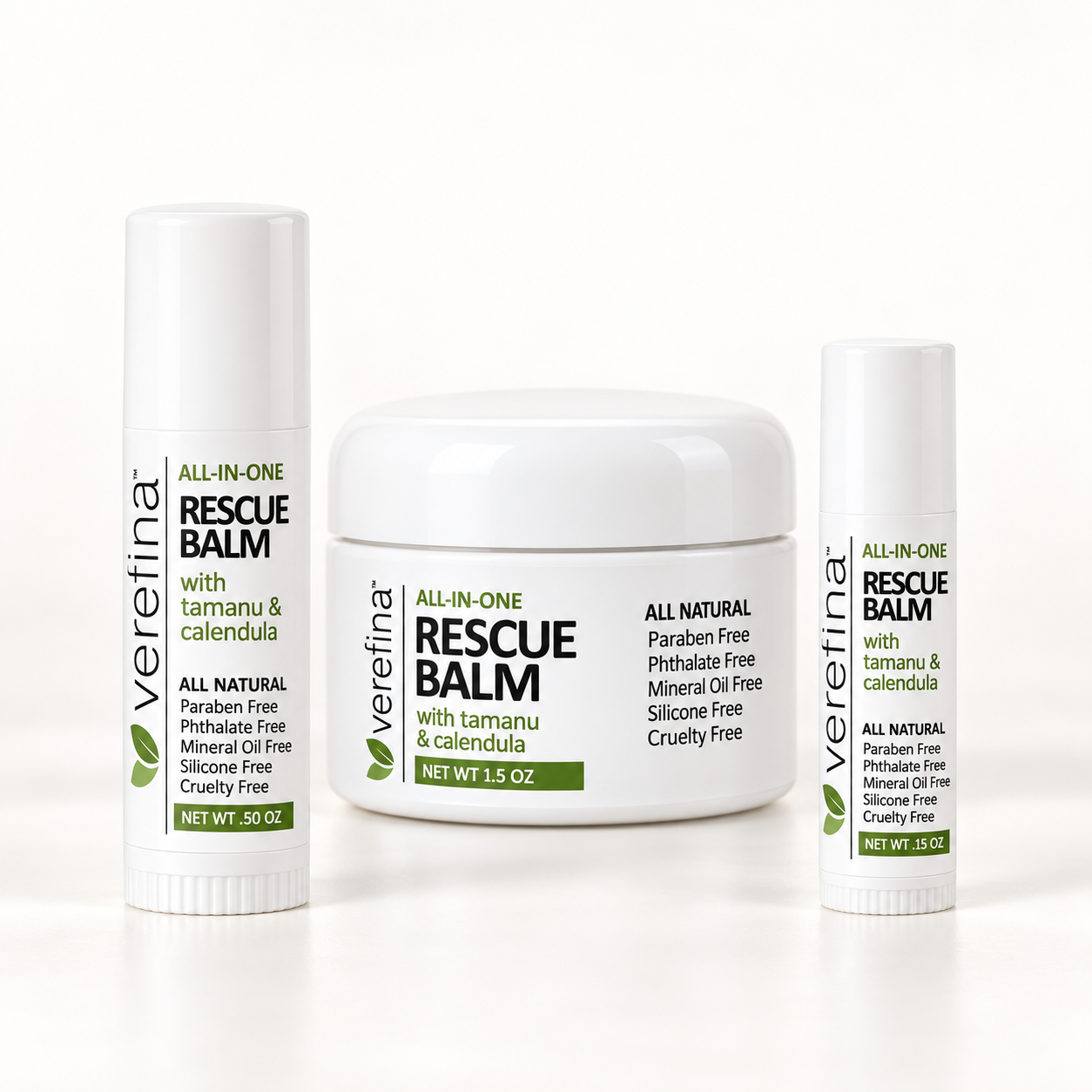
- Dab a thin layer of Rescue Balm on dry, tight spots around the nose, chin, or any area that feels rough.
- Step away from heat, wind, and direct sun for the rest of the day. A wide-brim hat and a shady spot do more than another product.
That evening: keep it short
- Cleanse only if you need to remove sunscreen or makeup, and use lukewarm water with a gentle cleanser.
- Skip exfoliants, retinoids, scrubs, clay masks, and anything new.
- Moisturize again, and keep the rest of your routine to one or two steps.
- Sleep on a clean pillowcase, and consider a soft cotton or silk one if friction seems to bother you.
Over the next few days: add back slowly
Most mild irritation eases within a few days once the trigger is removed. As the redness fades, add one product back at a time, with a day or two in between, so you can tell what your skin tolerates. Keep the basics steady: lukewarm water, a gentle cleanser, and a calming moisturizer.
Match the plan to the likely cause
Redness is not one thing, and the right first step depends on what set it off:
- Contact irritation from a new product or fragrance: stop the product, rinse with cool water, and keep the routine minimal until skin settles.
- Sun exposure: cool compresses, plenty of moisturizer, and shade. Do not pick at peeling skin.
- Heat, hot drinks, or spicy food: these can flush the face within minutes. Cool water, a cool room, and a light moisturizer help; the flush usually fades on its own.
- Friction from masks, towels, or hair: switch to soft fabrics and give the area a break.
- Rosacea-type redness: gentle care helps comfort, but recurring flushing, visible vessels, or bumps deserve a professional look rather than a DIY fix.
When to stop and call a professional
Quick relief is about avoiding more irritation, not forcing a fix. Stop what you are using and talk with a doctor or dermatologist if redness is painful, spreads quickly, comes with swelling, blisters, or signs of infection, or lasts more than a few weeks despite gentle care.
Watch out: do not apply ice directly to red skin, and skip hot compresses, steam, and saunas while skin is reactive. Extreme cold and heat can both make redness worse.
How Long Red Irritated Skin Takes to Calm Down
Most mild irritation improves within a few days once the trigger is removed. Stubborn redness can take a week or more, especially if the skin has been stressed for a long time. If your skin keeps flaring, looks worse after a few days of gentle care, or develops swelling, blisters, or pain, stop what you are using and talk with a doctor or dermatologist.
Patience matters. Changing too many products at once makes it hard to know what is working.
Choosing a Gentle Face Wash for Sensitive Skin
A good cleanser for sensitive skin should remove dirt and makeup without leaving the skin tight. Look for a formula that is free of harsh detergents and added fragrance, and that rinses off cleanly with lukewarm water.
Our Lemon Coconut Cleanser is designed for everyday use. Try it on a small area first, and use it morning and night only if your skin tolerates it well.
Patch Testing and When to See a Professional
Before you try any new product, DIY remedy, or natural ingredient, do a patch test. Apply a small amount to a discreet area, such as behind the ear or along the jawline, once a day for several days.
For a complete guide on this, read how to patch test sensitive skin before trying a new product.
See a doctor or dermatologist if redness lasts more than a few weeks, spreads, or comes with pain, swelling, or signs of infection.
Start Your Calming Routine with Verefina
Soothing red skin does not need a complicated plan. Start simple: lukewarm water, a gentle cleanser, and a calming moisturizer. Add one product at a time so you can see what your skin likes.
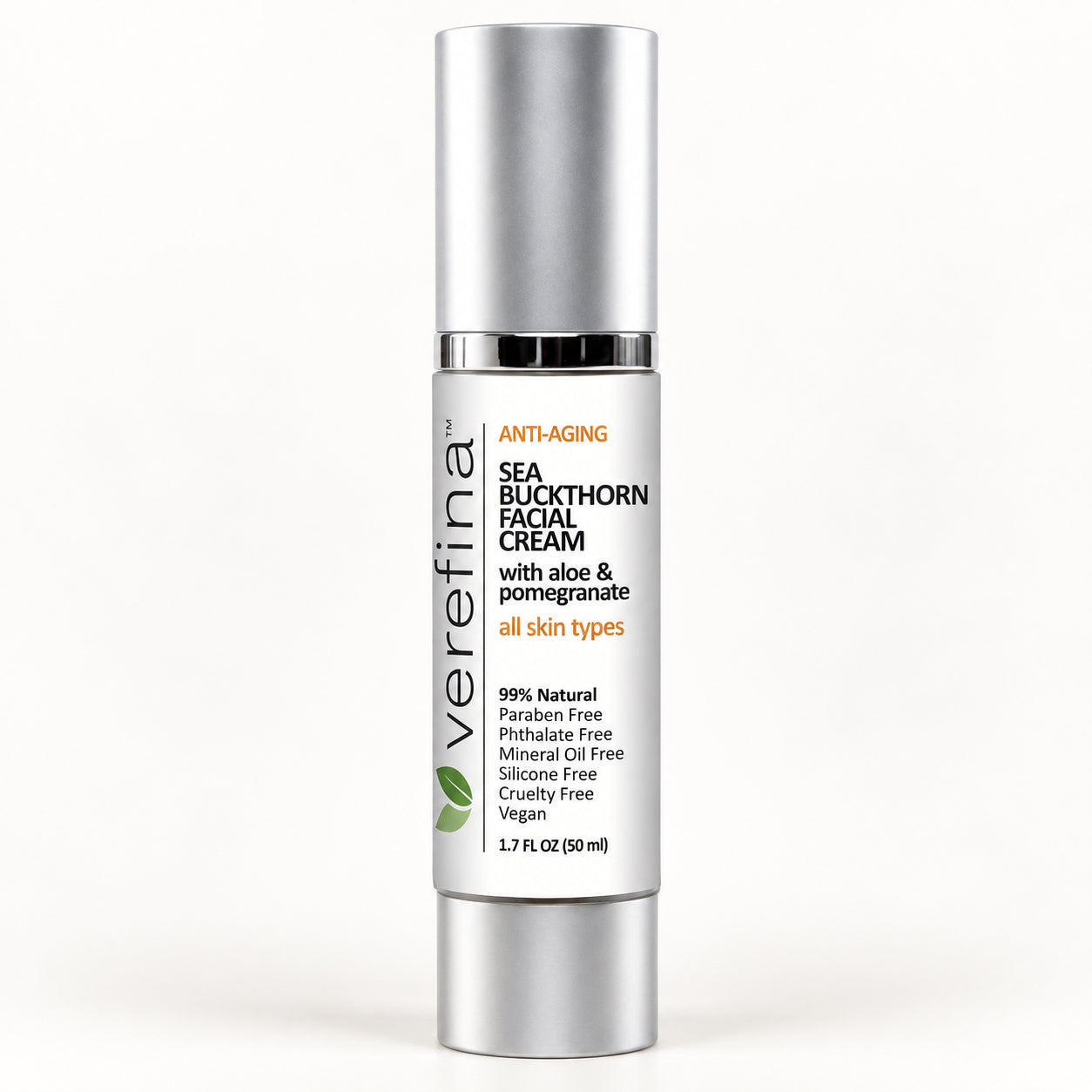
If you want a place to begin, explore our Sea Buckthorn Nourishing Facial Cream for rich, all-age moisture, or read our natural face moisturizer guide to help you choose what fits your skin.
Frequently Asked Questions
Why is my skin turning red and irritated?
Redness and irritation often come from a mix of triggers. Harsh cleansers, hot water, fragranced products, wind, sun, and friction can all weaken the skin barrier, which makes skin more reactive. Some people also notice flare-ups after a new product or during seasonal changes. Tracking what you used and when can help you spot patterns. If redness is severe, spreads, or does not improve, talk with a health care professional to rule out other causes.
How long does it take for red irritated skin to go away?
For mild irritation caused by a passing trigger, redness often fades within a few hours to a few days once you remove the irritant and keep your routine gentle. Skin that has been irritated for longer, or that reacts to multiple products, may take a couple of weeks to feel comfortable again. Timelines vary from person to person, so there is no guaranteed schedule. If redness lingers or worsens, see a health care professional.
How can I soothe irritated skin on my face naturally?
Start by simplifying your routine and using lukewarm water. Choose a gentle, non-drying cleanser and pat your face dry. Apply a rich, moisturizing cream such as our Aloe Vera + Calendula Cream while skin is still slightly damp. Avoid scrubbing, hot water, and strong botanical extracts that can sting. Always patch test new products on a small area first, and stop using anything that causes burning or itching.
Is it safe to use natural remedies like aloe or chamomile on red skin?
Natural does not always mean gentle for everyone. Essential oils, honey, and other plant-based ingredients can irritate sensitive skin or trigger an allergic reaction. Patch test any remedy on a small area of skin for a day or two before using it on your face. If irritation develops, stop using it and rinse with lukewarm water.

