

Targeted Care for Dry, Irritated, Sun-Exposed Sensitive Skin
Last Updated: November 4, 2026
Quick Summary
Targeted care for dry, irritated, sun-exposed sensitive skin starts with protection from the sun, then a simple routine of gentle cleansing and steady moisture. After sun exposure, cool the skin first, cleanse only if needed, and rehydrate while skin is still damp. Sensitive skin care works best when you keep things simple and avoid harsh products.
- Limit time in the sun, especially when its rays are strongest, and use sunscreen.
- Use a fragrance-light wash in lukewarm water and pat skin dry rather than rubbing.
- Apply moisturizer while skin is still damp to help it hold water.
- After sun exposure, cool the skin before applying richer products.
- Skip exfoliants, retinoids and anything new for a day or two while skin settles.
Table of Contents
- Why Dry, Sun-Exposed Skin Often Feels Reactive
- Sensitive Skin Care Routine at Home: Building a Gentle Daily Plan
- How to Treat Sensitive Skin on Face at Home
- How to Treat Sensitive Skin on Body After Sun Exposure
- Choosing Sun Protection for Dry, Reactive Skin
- Ordinary Dryness, Irritation, or Sunburn: When to Seek Care
- Start Your Gentle Routine With One Product
- Frequently Asked Questions
Why Dry, Sun-Exposed Skin Often Feels Reactive
Sensitive skin care can feel like a constant balancing act, since skin may react to everything from a new lotion to a hot shower to a long afternoon outdoors. When sun has been part of the day, that reactivity often shows up as dryness, tightness, and a warm, uncomfortable feeling. Many people reach for a stronger product in that moment, but skin in this state usually wants the opposite: gentle cleansing, steady moisture, and time to settle.
Sun exposure is a common reason skin feels this way. The National Institute on Aging advises limiting time in the sun, especially when its rays are strongest, and using sunscreen. A review on skin diseases caused by solar ultraviolet radiation also looks at preventive measures against UV-induced skin effects. Both point to the same idea: protecting skin from the sun comes first, and care afterward matters too.
Many people also use after-sun products as part of their routine. One market report found that 42% of consumers use after-sun care products such as soothing lotions or gels for post-sun skincare. That tells us a lot of people are looking for something comforting once skin has had too much sun.
Sensitive Skin Care Routine at Home: Building a Gentle Daily Plan
A simple routine is easier to stick with than a long list of steps. For most people with sensitive skin, a good daily plan has three parts: a gentle cleanse, a rich layer of moisture, and sun protection during the day. We keep it simple on purpose, because a routine you actually follow will do more than one you abandon after a week.
Start with a fragrance-light wash and a soft touch. Then, while skin is still slightly damp, layer on a moisturizer that feels comfortable to you. Finish the day with a cream that fits your skin's needs, or a lighter mist after time in the sun. Our soothing, hydrating cream is a comforting way to close out your daily plan.

1. Cleanse with a gentle, fragrance-light wash
Cleansing is where many routines go wrong. Hot water, scrubbing, and harsh foaming cleansers can strip the moisture that dry, reactive skin is already missing. Choose a gentle wash, use lukewarm water, and pat your skin dry rather than rubbing. Our fruit enzyme cleanser offers a fragrance-light option to try at this step.

2. Layer a rich moisturizer while skin is damp
Moisture works best when it goes on while skin still holds some water from cleansing. Our [product:1] is a richer cream for skin that wants a cushioned layer. Massage a small amount in, then add more only where skin still feels dry. Starting with less than you think you need helps you avoid a heavy, greasy feeling.
How to Treat Sensitive Skin on Face at Home
When your face feels tight, stings a little, or looks flushed after sun or wind, the goal is calm. Keep things simple for a few days. Skip exfoliants, retinoids, and anything new until your skin settles.
Cleanse gently, then apply a soothing, emollient product. A balm works well for dry patches around the nose, cheeks, or lips. Our [product:3] is made for dry, rough, or stressed-feeling skin, so it is a practical choice for small, targeted areas.
If you are unsure whether a product suits your face, try a patch test first. Apply a small amount to a discreet area, such as behind the ear or along the jawline, and wait at least a day before using it more widely. Stop using any product if irritation develops.
How to Treat Sensitive Skin on Body After Sun Exposure
After a day outside, body skin usually wants cooling first and richer care second. The order matters. A heavy cream on hot, flushed skin can feel smothering, while a cooling mist on tight, dry skin is not enough on its own. Here is the sequence we reach for, and how to tell ordinary after-sun discomfort from something that needs a doctor.
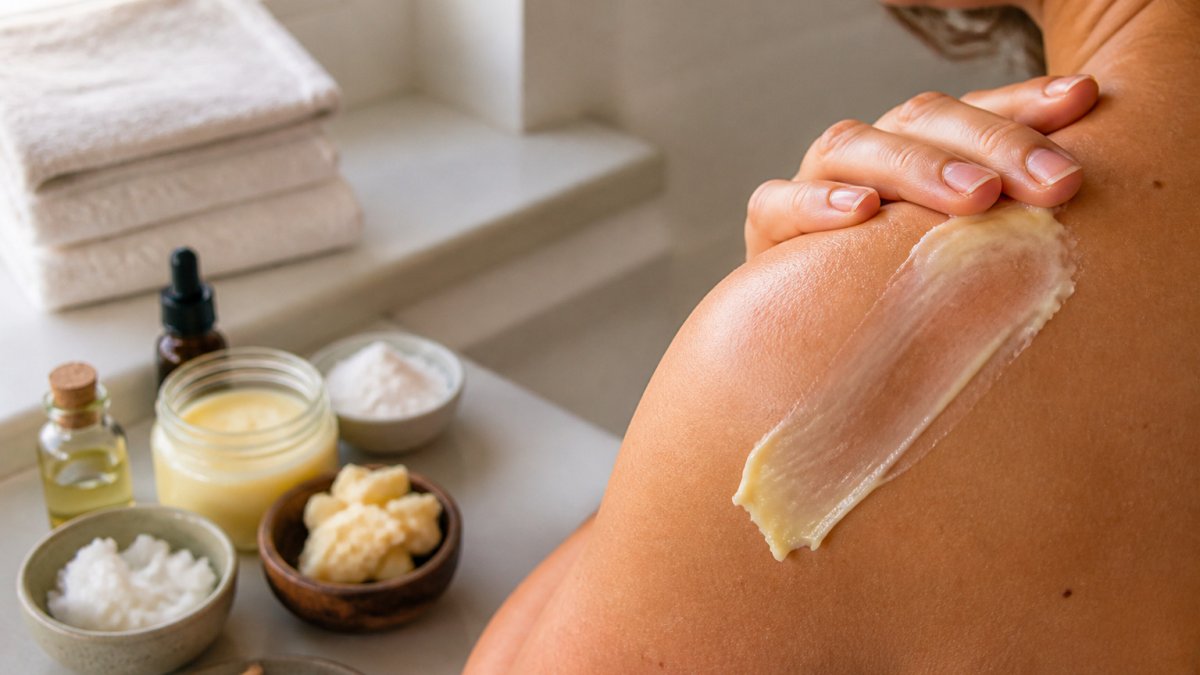
1. Cool the skin down first
Get out of the sun and into shade or a cool room. A cool, not cold, shower, or a cool, damp cloth held on warm areas for a few minutes, helps skin feel calmer. Pat dry gently instead of rubbing.
2. Cleanse only if you need to
If you have sunscreen, sweat, salt, or sand on your skin, use a gentle, fragrance-light wash in lukewarm water. If your skin already feels raw, plain cool water is enough. Hot water and loofahs are the two things most likely to make after-sun skin feel worse.
3. Rehydrate while skin is still damp
Within a few minutes of patting dry, while skin still holds some water, apply a lightweight layer. A cooling after-sun mist gives an immediate sense of comfort on warm skin. Our [product:4] is a fine, non-sticky mist that gives an immediate sense of cooling on warm skin. Let it settle, then follow with a richer product only on areas that still feel dry or tight. Our [product:5] pairs several after-sun favorites so you can layer a mist and a cream without overthinking it.

4. Leave the rest of your routine alone
For the next day or two, skip exfoliants, retinoids, and anything new. Stick to cleanse, moisturize, and protect. If you go back outside, cover up and reapply sunscreen on skin that is not irritated.
5. Know when comfort care is not enough
Mild redness, tightness, and a warm feeling often settle with gentle care over a day or two. Sunburn is different: it can look red, feel tender or painful, and sometimes blister. Blistering, severe pain, fever, chills, a burn over a large area, or a reaction that keeps getting worse needs medical attention rather than another product. Do not apply anything to blistered or broken skin, and do not pick at peeling skin.
Watch out: after-sun products are for comfort. They are not a substitute for sunscreen, and they are not a treatment for sunburn. If you are unsure what you are seeing, ask a doctor or dermatologist.
Here is a quick guide to the steps we recommend after sun exposure, with timing where the article gives it.
| Step | What to do | Time or frequency |
|---|---|---|
| Cool the skin | Move to shade or a cool room; use a cool, damp cloth | A few minutes |
| Cleanse if needed | Use a gentle, fragrance-light wash in lukewarm water | Only if sunscreen, sweat, salt or sand is present |
| Rehydrate | Apply a lightweight layer while skin is still damp | Within a few minutes of patting dry |
| Keep routine simple | Skip exfoliants, retinoids and anything new | For the next day or two |
| Know when to seek care | Get medical attention for blistering, severe pain or fever | As soon as these signs appear |
Choosing Sun Protection for Dry, Reactive Skin
Sun protection matters most when skin is already sensitive, and the best sunscreen is the one you will actually wear every day. For dry, reactive skin, that means balancing protection with a texture that feels comfortable and ingredients that are less likely to sting. Use this as a decision guide rather than a single recommendation.
Start with the protection basics
Look for broad-spectrum coverage, which protects against both UVA and UVB rays. The American Academy of Dermatology recommends broad-spectrum, water-resistant SPF 30 or higher, while the FDA advises broad-spectrum SPF 15 or higher, used regularly and as directed. The two recommendations differ, so check the guidance that fits your situation and your dermatologist's advice. Reapply as directed, especially after swimming or sweating.
Choose a filter type you will actually use
Mineral sunscreens use zinc oxide or titanium dioxide and tend to sit on the surface; they are often a good starting point for reactive skin because they are less likely to sting. Chemical filters feel lighter and spread more easily but can tingle on some people. Neither is automatically better, the right choice is the one your skin tolerates and you will reapply.
Match the texture to your skin
Dry skin usually does better with a cream or lotion that has some emollients, while very reactive or acne-prone skin may prefer a lighter fluid or gel. If a formula pills under makeup or feels greasy, you are less likely to wear it, so texture is part of protection.
Read the label for fragrance and extras
Fragrance, essential oils, and added tingling ingredients are common sources of irritation on sensitive skin. A essential oils for scent and are formula is often the safer default for the face. Our [product:6] is a mineral-forward option made with 20% non-nano zinc oxide for skin spending time in the sun.
Test before you commit
Patch test any new sunscreen on a small area, such as behind the ear or along the jawline, and wait at least a day before using it more widely. Stop using any product if irritation develops. Keep a sunscreen you trust in your bag so reapplying stays a simple ritual rather than a chore.
Ordinary Dryness, Irritation, or Sunburn: When to Seek Care
Dryness, mild stinging, and a warm feeling often settle with gentle care over a day or two. Sunburn is different. It can look red, feel tender or painful, and sometimes blister. Blistering, severe pain, fever, or a burn over a large area needs medical attention.
Seek care from a doctor or dermatologist if irritation gets worse instead of better, if you notice signs of infection, or if you are unsure what you are seeing. This article is general guidance, not a diagnosis, and no product replaces professional advice.
Start Your Gentle Routine With One Product
You do not need to change everything at once. Pick the step that fits your skin right now, whether that is a gentle wash, a richer cream, or a cooling mist for the end of a sunny day. Try one product, see how your skin responds, and build from there. Browse the full Verefina collection to find the option that suits your routine.
Frequently Asked Questions
What is the best skincare for extremely dry, sensitive skin?
Look for a rich, fragrance-light moisturizer with emollients and humectants, applied to damp skin. Our Aloe Vera + Calendula Cream is made for very dry, sensitive-feeling skin and includes an unscented option. Patch test any new product on a small area for a few days first, and stop using it if irritation develops. If dryness or sensitivity persists, a dermatologist can help identify the cause.
How do I calm irritated, sensitive skin at home?
Start by removing triggers: skip harsh scrubs, hot water, and new actives for a few days. Cleanse gently, then apply a soothing, unscented moisturizer while skin is still damp. Cool compresses and shade can help skin that feels warm. If redness, swelling, blistering, or pain worsens or doesn't improve, seek medical care rather than continuing to treat it at home.
How do I treat sensitive skin on my face at home?
Use a gentle cleanser twice daily, a lightweight moisturizer, and broad-spectrum sun protection during the day. Our Sea Buckthorn Facial Cream is a rich daily option for dry, thirsty-feeling skin, while the unscented version of our Aloe Vera + Calendula Cream is a richer moisturizer for very dry, sensitive-feeling skin. Introduce one product at a time so you can notice how your skin responds.
What should I avoid when my sensitive skin feels irritated?
Avoid over-exfoliating, very hot water, strong fragrances, and any product that stings when applied. Pause retinoids, alpha or beta hydroxy acids, and benzoyl peroxide until skin settles, then reintroduce them slowly. Keep your routine short while skin recovers. If a product causes burning or spreading redness, stop using it and check with a healthcare professional.

